Natural Tourism and Ecotourism
Introduction
Tourism is one of the most important industries in today’s world, as it not only contributes to the economy of countries but also provides an opportunity for people to become familiar with different cultures and natural environments. One significant branch of tourism is natural tourism and ecotourism, whose main goal is the conservation of the environment and the sustainable use of natural resources. This type of tourism, by offering experiences close to nature, increases public awareness about environmental protection.
Definition of Natural Tourism and Ecotourism
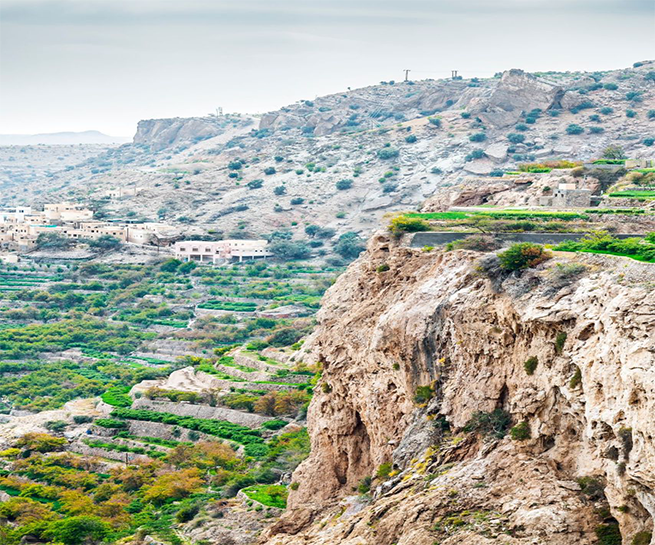
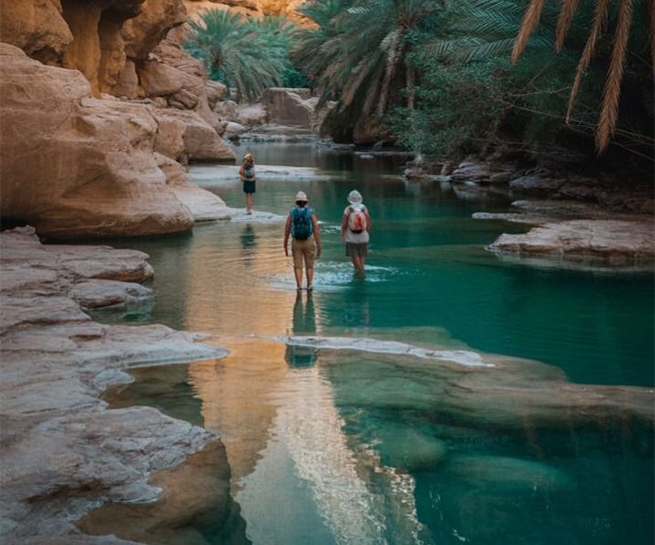
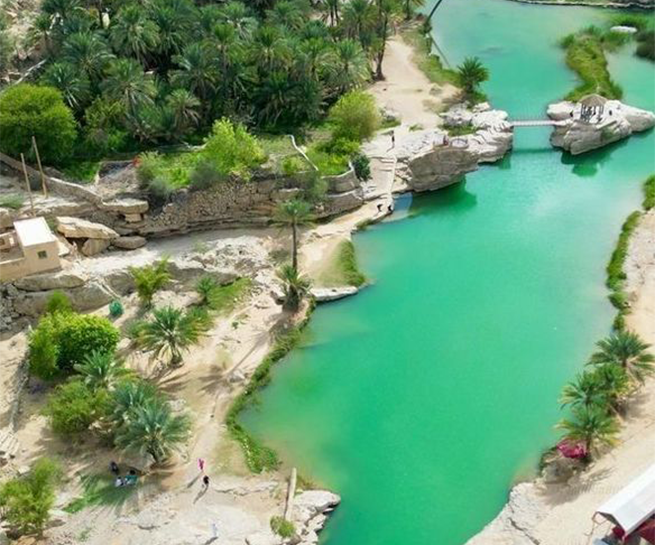
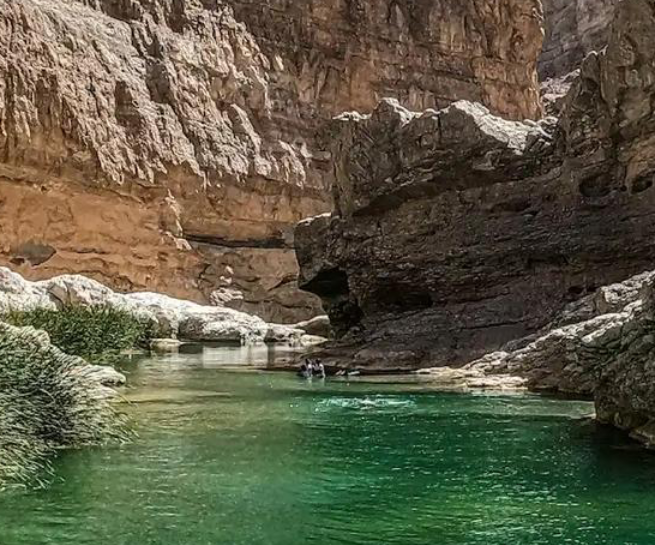
Natural tourism refers to visiting natural environments such as national parks, mountains, lakes, forests, and deserts, providing tourists with a close, first-hand experience of nature.
Ecotourism or ecological tourism is a branch of natural tourism that, in addition to experiencing nature, focuses on environmental conservation, supporting local communities, and educating tourists about the importance of natural resources. In this type of tourism, environmental damage is minimized, and the economic use of nature is combined with respect for it.
Features of Natural Tourism and Ecotourism
- Commitment to the environment: Using natural resources without damaging them.
- Education and Awareness:Providing environmental information to tourists to foster responsible behavior.
- Support for Local Communities: Creating jobs and economic opportunities for local residents without altering their culture and lifestyle.
- Unique Experiences: Activities such as mountaineering, birdwatching, visiting pristine forests, and nature tours.
The Importance of Natural Tourism
Natural tourism and ecotourism offer numerous economic, social, and environmental benefits:
-
Economic: Generating income for rural and protected areas, and reducing dependence on environmentally destructive activities such as hunting and deforestation.
-
Social: Strengthening cultural identity and local traditions, creating employment, and fostering interaction between tourists and local communities.
-
Environmental: Promoting the protection of plant and animal species, and conserving ecosystems.
Challenges and Obstacles
Despite the high importance of ecotourism, this form of tourism also faces challenges. The increasing number of tourists can sometimes place significant pressure on the environment and endanger the balance of ecosystems. On the other hand, a lack of adequate education for tourists and insufficient suitable infrastructure in natural areas can make the tourism experience difficult and sometimes harmful. Furthermore, weak supportive policies and the absence of effective laws to protect nature pose a serious threat to the sustainability of this type of tourism.
Conclusion
Natural tourism and ecotourism not only provide a pleasurable and educational experience for travelers, but also contribute to environmental conservation and sustainable development. With proper planning and attention to ecological principles, this industry can be transformed into a powerful tool for economic development, environmental protection, and the promotion of a nature-friendly culture.